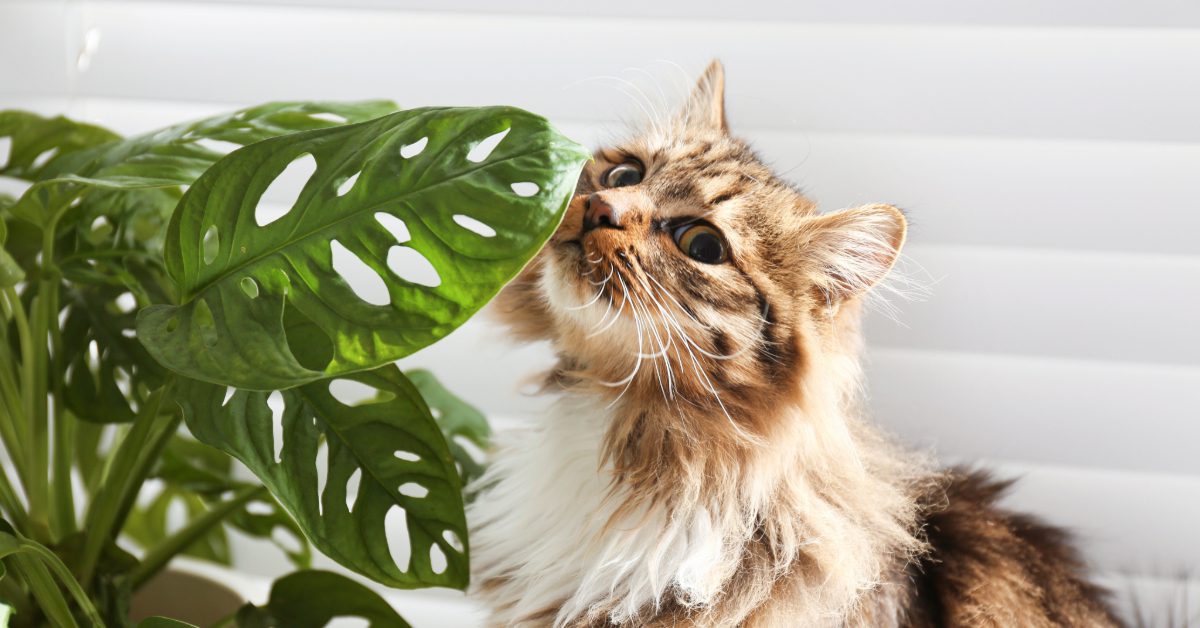
Are Monsteras Toxic To Cats? Understanding the Risks for Your Feline Friends
If you're a proud plant parent and a devoted cat owner, you've likely found yourself pondering a critical question: Are Monsteras toxic to cats? These stunning "Swiss cheese plants" with their iconic fenestrated leaves have become a cornerstone of modern interior design, gracing living rooms, offices, and cafés worldwide. Their undeniable aesthetic appeal makes them highly sought after, but for those sharing their homes with curious felines, their presence often comes with a nagging concern.
The short, unequivocal answer is: yes, Monsteras are considered toxic to cats. While they don't contain a systemic poison that travels through the bloodstream, they possess a defense mechanism that causes immediate and intense irritation. This article will delve into why Monsteras pose a risk, what symptoms to watch for, what actions to take if your cat nibbles a leaf, and crucial preventative measures to keep your beloved pet safe.
The Science Behind Monstera Toxicity: Calcium Oxalate Crystals
To truly understand why "Are Monsteras toxic to cats?" elicits a "yes," we need to look closer at the plant's cellular structure. Monsteras, particularly popular varieties like Monstera deliciosa, are members of the Araceae family, a group notorious for containing microscopic, needle-like crystals of calcium oxalate. These crystals are not just present; they are specifically designed as a deterrent against herbivores.
When a cat chews on any part of a Monstera plant – be it a leaf, stem, or root – these tiny, insoluble calcium oxalate crystals are released. Imagine thousands of minuscule, sharp needles piercing the delicate soft tissues of your cat's mouth, tongue, lips, and throat. This isn't a slow-acting poison; it's an immediate, localized physical irritation that causes acute pain and discomfort. The problem is mechanical, not chemical, which helps explain why the symptoms appear so quickly after ingestion. For a deeper dive into this mechanism, see our article on Monstera Plants & Cats: Understanding Calcium Oxalate Irritation.
What Parts of a Monstera are Toxic to Cats?
Every part of a Monstera plant – leaves, stems, roots, and even aerial roots – contains these irritating calcium oxalate crystals. Therefore, any part of the plant that a cat might chew or ingest carries the potential for toxicity.
Recognizing the Signs: Symptoms of Monstera Ingestion in Cats
If you suspect your cat has been sampling your Monstera, knowing what to look for can help you act swiftly. Symptoms typically manifest rapidly due to the immediate irritation caused by the calcium oxalate crystals. We can categorize them by severity:
Mild Symptoms (Most Common)
- Excessive Drooling (Ptyalism): This is often the first and most noticeable sign as the mouth becomes irritated.
- Paw Smashed at Mouth or Face: Your cat may repeatedly paw at their face or mouth, trying to alleviate the discomfort.
- Irritated or Swollen Gums/Lips: You might observe redness or mild swelling inside the mouth or around the lips.
- Temporary Refusal to Eat: Due to pain in the mouth and throat, your cat might show a reluctance to eat their regular food for a short period.
- Vocalization: Increased meowing or unusual sounds indicating distress.
Moderate Symptoms
- Vomiting: The irritation can extend down the digestive tract, leading to an upset stomach and vomiting.
- Coughing or Gagging: If plant fragments or crystals irritate the throat, your cat might cough or gag.
- Noticeable Redness or Swelling in the Mouth/Throat: More pronounced irritation than mild cases.
- Refusal to Drink: Pain can make swallowing difficult, leading to dehydration concerns.
- Loss of Appetite: More prolonged refusal to eat than in mild cases.
Severe Symptoms (Rare but Urgent)
While severe reactions are uncommon, they require immediate veterinary intervention:
- Difficulty Breathing: Significant swelling of the throat can compromise the airway.
- Severe Swelling of the Face or Throat: Alarming and potentially life-threatening.
- Lethargy or Collapse: Indicates a more profound reaction or secondary complications.
- Excessive Distress: Uncontrollable pawing, shaking, or signs of intense pain.
If you observe any severe symptoms, or even persistent moderate symptoms, do not hesitate – call your vet or an emergency veterinary clinic immediately. Even for mild signs, a quick call for guidance is always a good idea; it's better to be safe than sorry.
Immediate Action: What to Do If Your Cat Chews a Monstera Leaf
Accidents happen, and even with the best intentions, a curious cat might get to your Monstera. Knowing how to react can make all the difference. Here’s a step-by-step guide:
- Stay Calm: Panic won't help your cat. A calm demeanor will allow you to think clearly and act efficiently.
- Remove the Plant and Isolate Your Cat: Immediately move your cat away from the Monstera to prevent further chewing. If possible, move the plant itself to a secure, inaccessible location.
- Gently Check Your Cat's Mouth: Carefully open your cat's mouth and inspect for any visible plant fragments. If you see any, try to gently remove them with tweezers or a damp cloth, but be cautious not to push them further down or get bitten. Look for signs of swelling or redness.
- Offer Fresh Water: Encourage your cat to drink fresh water. This can help rinse residual crystals from their mouth and throat, potentially alleviating some irritation and aiding hydration.
- Contact Your Veterinarian or an Emergency Clinic: This is the most crucial step. Explain what happened, how much you believe your cat ingested (even an estimate helps), and any symptoms you are observing.
- Gather Information for the Vet: If possible, take a clear photo of the Monstera plant (or even bring a small sample leaf) to help the vet confirm its identity.
- Follow Veterinary Advice: Your vet may recommend home observation with instructions, or they might advise you to bring your cat in for an in-person examination. They may suggest rinsing your cat's mouth with water, giving them bland food, or administering medication to soothe irritation or prevent vomiting.
- Seek Immediate Veterinary Care for Severe Symptoms: If your cat is vomiting excessively, having trouble breathing, showing significant swelling, is lethargic, or collapsing, do not wait for a call back. Get to an emergency vet clinic right away.
Living Safely with Plants and Pets: Preventative Measures
The best treatment for Monstera toxicity is prevention. If you love both your plants and your pets, there are proactive steps you can take:
- Relocation is Key: The most effective method is to place your Monsteras in areas completely inaccessible to your cat. Consider hanging planters, high shelves that are truly out of jumping reach, or rooms that cats are not allowed to enter. Remember, cats are excellent climbers and jumpers, so "out of reach" means very high!
- Physical Barriers: Use pet gates to block off plant rooms, or even invest in large, decorative cloches or enclosed terrariums for smaller Monstera plants.
- Deterrents (Use with Caution): Some pet owners try citrus sprays or bitter-tasting deterrents on leaves. While these can sometimes work, be sure any spray you use is pet-safe and won't harm the plant. Effectiveness varies widely between cats. Double-sided tape on plant pots can also deter some cats from approaching.
- Provide Safe Alternatives: Offer your cat plenty of their own "safe" plants to chew, such as cat grass (wheatgrass, oat grass, rye grass) or catnip. Ensure they have an abundance of stimulating toys and scratching posts to divert their attention from your houseplants.
- Supervision: Especially with new plants or young, curious kittens, supervise interactions. Teach them "no" gently but firmly if they show interest in chewing.
- Education: Be aware of all plants in your home. Monsteras are not the only household plants toxic to cats. Philodendron, Pothos, and Peace Lilies also contain calcium oxalates. True Lilies (e.g., Easter Lily, Tiger Lily) are far more dangerous, causing acute kidney failure. Understanding these distinctions helps you make informed choices.
Conclusion: Responsible Pet & Plant Ownership
The question, "Are Monsteras toxic to cats?" unequivocally confirms they pose a risk due to their calcium oxalate content, causing immediate and painful irritation rather than systemic poisoning. While most cases are mild and treatable, the potential for distress and more severe symptoms means prevention and prompt action are paramount.
By understanding the dangers, recognizing symptoms, knowing how to react in an emergency, and implementing effective preventative measures, you can create a harmonious environment where both your beautiful Monsteras and your beloved feline companions can thrive safely. Always prioritize your pet's health and don't hesitate to consult your veterinarian if you have any concerns.