Monstera Plants & Cats: Understanding Calcium Oxalate Irritation
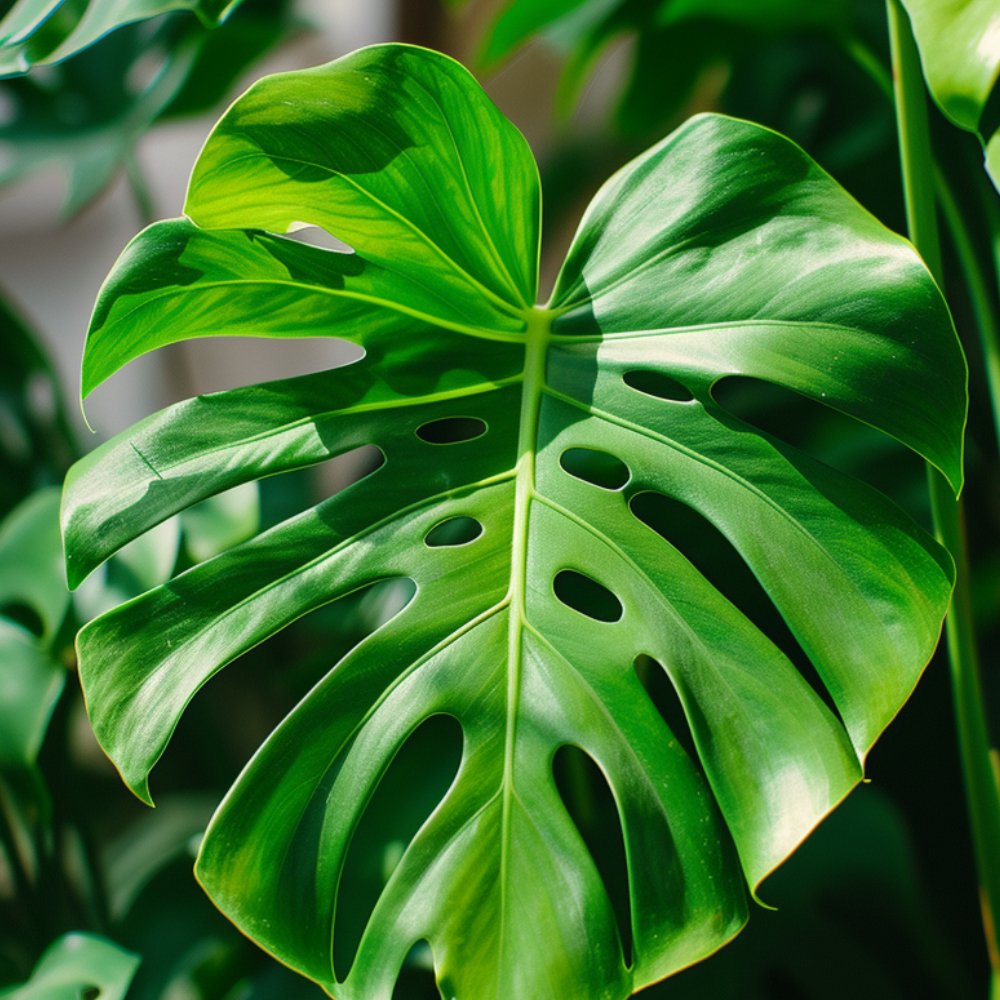
For many plant enthusiasts who also share their homes with furry feline companions, a common question echoes through online forums and search engines: "Are Monsteras Toxic To Cats?" It’s a completely natural concern, especially given the skyrocketing popularity of Monstera plants. With their striking, glossy leaves and iconic fenestrations (natural holes), often leading to the nickname "Swiss Cheese Plant," Monsteras have become a staple in modern interior design. But as beautiful as they are, understanding their potential impact on curious cats is paramount for responsible pet ownership. This comprehensive guide aims to cut through the confusion, providing clear answers and actionable advice for every cat parent.
The Short Answer: Yes, Monsteras Can Be Irritating to Cats
Let's address the main keyword directly: Are Monsteras toxic to cats? The straightforward answer is yes, they can be. However, it's crucial to understand the nature of this toxicity. Monsteras don't contain a systemic poison that travels through the bloodstream and causes organ damage like some other truly lethal plants. Instead, their danger lies in the presence of microscopic, needle-like crystals called calcium oxalate, which cause immediate and localized irritation upon ingestion. While most cases of a cat chewing on a Monstera leaf result in mild to moderate symptoms that are treatable, prompt action is still vital to ensure your cat's comfort and safety.
Understanding Monstera Toxicity: The Calcium Oxalate Connection
Monstera plants, including the widely available Monstera deliciosa, are tropical wonders native to the rainforests of Central and South America. Their unique appearance makes them incredibly appealing as houseplants, but they come equipped with a natural defense mechanism: calcium oxalate crystals. These tiny, sharp crystals are present in the plant's leaves, stems, and sap.
How Calcium Oxalate Affects Your Cat
When a cat, driven by curiosity or boredom, chews on a Monstera leaf, these needle-like calcium oxalate crystals are released. They immediately embed themselves into the soft tissues of the cat's mouth, tongue, lips, and throat. This creates an intense and uncomfortable stinging sensation, much like thousands of tiny needles pricking the sensitive membranes. The irritation isn't delayed; it's instant, which often deters cats from eating large quantities of the plant. This immediate discomfort explains why Monstera toxicity is typically characterized by local symptoms rather than systemic illness.
The primary effects you'll observe are directly related to this localized irritation:
- Oral Pain and Irritation: The most common and immediate reaction.
- Inflammation: Swelling of the mouth, tongue, and throat tissues.
- Digestive Upset: If enough plant material is ingested, the crystals can continue their irritating action down the esophagus and into the stomach, leading to digestive upset.
Recognizing the Warning Signs: What to Look For If Your Cat Chews a Monstera Leaf
Knowing what to look for can make all the difference in quickly addressing a potential Monstera ingestion. Symptoms can range from mild to severe, depending on the amount ingested and your cat's sensitivity. If you suspect your cat has taken a nibble, monitor them closely for any of the following signs:
Mild Symptoms (Most Common)
- Excessive Drooling (Ptyalism): The most common sign, as the cat's body tries to flush out the irritant.
- Paw-Pawing at the Mouth or Face: Your cat might be trying to dislodge the irritating crystals or soothe the discomfort.
- Irritated or Swollen Gums/Lips: Visible redness or slight swelling around the mouth.
- Reluctance to Eat or Drink: Due to pain in the mouth.
- Vocalizing Discomfort: Subtle meows or cries indicating they are in pain.
Moderate Symptoms
- Vomiting: The cat's body attempting to expel the irritating plant material from the digestive tract.
- Coughing or Gagging: Indicating throat irritation or difficulty swallowing.
- More Pronounced Redness or Swelling: In the mouth, tongue, or around the face.
- Difficulty Swallowing: Due to throat irritation.
- Decreased Appetite and Thirst: More prolonged refusal to eat or drink.
Severe Symptoms (Rare But Urgent)
While severe reactions are uncommon, they are possible, especially if a large amount of plant material is ingested or if your cat has a particular sensitivity. These symptoms require immediate veterinary attention:
- Difficulty Breathing: Severe swelling in the throat can obstruct the airway.
- Severe Swelling of the Throat or Face: Visible, significant enlargement.
- Lethargy or Collapse: A sign of extreme distress or systemic reaction (though rare with calcium oxalate).
- Blue-tinged Gums: Indicates a lack of oxygen, a critical emergency.
Even if you only observe mild symptoms, it's always best to contact your veterinarian for guidance. When it comes to your cat's health, it's better to be overly cautious. For a deeper dive into symptoms, diagnosis, and what your vet might do, you can refer to our detailed guide: Monstera Toxicity in Cats: Symptoms, Treatment, & Vet Guidance.
Immediate Steps If Your Cat Ingests Monstera
Discovering your cat has chewed on a Monstera can be alarming, but staying calm is the first and most important step. Panic won't help your feline friend. Here’s a practical guide on what to do:
- Remove the Plant and Isolate Your Cat: Immediately move the Monstera out of reach or move your cat away from it to prevent further ingestion.
- Assess Your Cat's Mouth: Gently open your cat's mouth and check for any remaining leaf fragments. If you see any, you can try to remove them carefully, but avoid sticking your fingers too far into their mouth if they are in distress or biting. Look for obvious signs of redness or swelling.
- Offer Fresh Water: Encourage your cat to drink water. This can help rinse some of the irritating crystals from their mouth and throat and alleviate some discomfort.
- Contact Your Veterinarian or an Emergency Clinic: Even if symptoms appear mild, call your vet. Explain what happened, providing details such as:
- What part of the Monstera your cat chewed (leaf, stem).
- An estimate of how much was ingested.
- A detailed description of any symptoms you are observing.
- It's helpful to have a photo of the plant or a small sample to confirm its identity, especially if you're unsure of the exact species.
- Follow Veterinary Advice: Your vet will provide specific instructions. This might include monitoring your cat at home, or they may advise an immediate in-person visit, especially if symptoms are moderate or severe.
Crucial Note: If your cat is experiencing difficulty breathing, severe swelling, significant vomiting, or appears lethargic or collapsed, do not wait. Get to an emergency veterinary clinic immediately. These are signs of a more serious reaction that requires urgent professional intervention.
Preventing Monstera Mischief: Keeping Your Feline Friend Safe
The best treatment for Monstera toxicity is prevention. While you might adore your Swiss Cheese plant, ensuring your cat's safety means taking proactive measures. Here are some effective strategies:
Strategic Placement
- Out of Reach: Place Monsteras on high shelves, in hanging planters, or in rooms where your cat is not allowed to roam freely. Remember that cats are excellent climbers, so "out of reach" means truly inaccessible.
- Pet-Proof Rooms: Designate certain rooms as "plant rooms" where your Monsteras can thrive safely, keeping your cat out of these spaces.
Physical Barriers & Deterrents
- Enclosures: Consider decorative cloches, glass cabinets, or even stylish plant cages if you have a particularly persistent nibbler.
- Foil or Citrus Peels: Cats generally dislike the texture of aluminum foil and the smell of citrus. You can place foil around the base of the plant or scatter citrus peels in the pot to deter them.
- Pet-Safe Bitter Sprays: There are commercially available sprays that taste unpleasant to cats but are safe. Apply these to the leaves (always test a small, inconspicuous area first).
Provide Safe Alternatives
Sometimes, cats chew on plants out of boredom or a natural instinct. Offering safe, appealing alternatives can redirect their attention:
- Cat Grass: Easily grown at home, cat grass is a safe and healthy option for cats to chew on.
- Safe Chew Toys: Provide a variety of toys to keep your cat entertained and satisfy their chewing instincts.
- Enrichment: Ensure your cat has plenty of mental and physical stimulation through playtime, puzzle feeders, and scratching posts to reduce boredom-driven plant nibbling.
Know Your Plants
Monstera plants are not alone in containing calcium oxalate crystals. Other common houseplants like Pothos (Devil's Ivy), Philodendron, and Peace Lilies also pose a similar irritation risk to cats. On the safer side, Spider Plants are generally considered non-toxic, though eating too much can lead to an upset stomach. Familiarizing yourself with common plant toxicities can help you make informed decisions about your indoor jungle. For more general information on this topic, check out our article Are Monsteras Toxic To Cats? What Every Pet Owner Needs To Know.
Conclusion
The question, "Are Monsteras toxic to cats?" is an important one that every plant-loving cat owner should understand. While Monsteras contain calcium oxalate crystals that cause immediate irritation and discomfort, they are generally not considered life-threatening like some other plants. However, prevention is always the best approach. By understanding the risks, recognizing the symptoms, knowing the immediate steps to take, and implementing preventative measures, you can create a harmonious environment where both your beautiful Monstera plants and your beloved feline companions can safely coexist. Always prioritize your cat's well-being and don't hesitate to consult your veterinarian if you have any concerns.