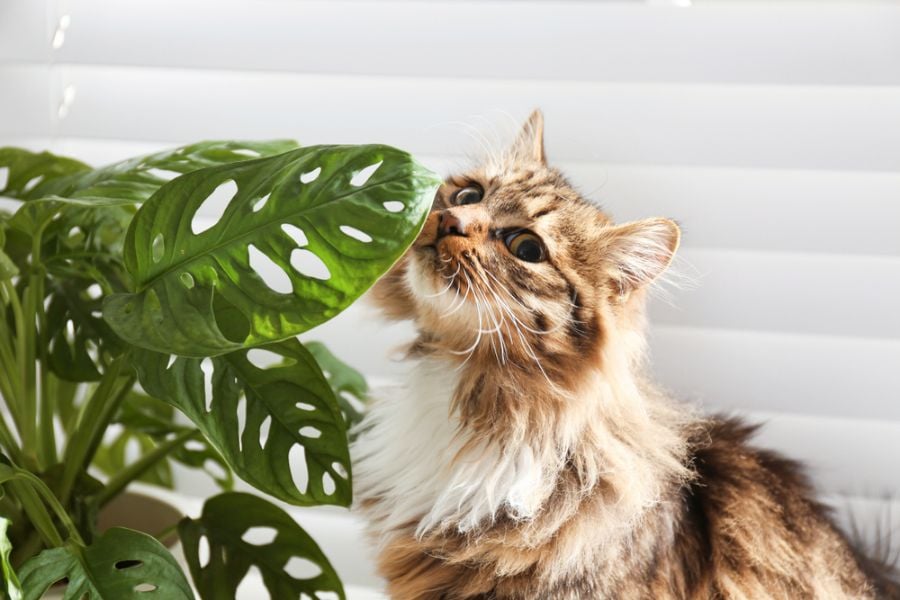
Are Monsteras Toxic to Cats? What Every Pet Owner Needs to Know
If you're a proud plant parent and share your home with a curious feline, the question, "Are Monsteras toxic to cats?" has likely crossed your mind. These magnificent "Swiss cheese plants," with their iconic fenestrated leaves and lush tropical vibe, have become a staple in modern interiors. However, the beauty of a Monstera often comes with a crucial caveat for pet owners: their potential danger to our beloved furry companions. This comprehensive guide will cut through the uncertainty, providing clear, practical answers and actionable advice to ensure the safety of your cat while still enjoying your botanical haven.
The Short Answer: Yes, Monsteras Pose a Risk to Cats
To get straight to the point:
yes, Monsteras are considered toxic to cats. While they aren't typically "deadly" in the way some highly poisonous plants can be, they contain specific compounds that can cause significant irritation and discomfort if ingested. The primary culprit behind Monstera toxicity is a substance called calcium oxalate. These tiny, needle-like crystals are present throughout the plant – in its leaves, stems, and roots – and act as a natural defense mechanism. When a cat chews on any part of a Monstera, these crystals are released, causing immediate irritation to the delicate tissues of their mouth, throat, and digestive tract. Most cases are mild to moderate and treatable if recognized early, but it's crucial for pet owners to understand the risks and how to respond.
Understanding Calcium Oxalate: The Root of the Problem
The microscopic, needle-like crystals of calcium oxalate are the primary reason Monsteras can be problematic for cats. Unlike a systemic poison that enters the bloodstream and affects organs, the issue with Monsteras is more about immediate, local irritation. Imagine swallowing tiny, sharp shards of glass – that's essentially what these crystals feel like to your cat's sensitive oral and digestive tissues.
When a cat bites into a Monstera leaf or stem, these insoluble calcium oxalate crystals embed themselves into the soft membranes of the mouth, tongue, lips, and throat. This physical irritation triggers a range of uncomfortable symptoms. It's not a "poison" in the traditional sense, but rather a mechanical irritant that causes pain and inflammation on contact. Understanding this mechanism is key to knowing why certain symptoms appear and why prompt action is necessary. For a deeper dive into this specific compound, consider reading our article on
Monstera Plants & Cats: Understanding Calcium Oxalate Irritation.
Recognizing the Signs: What to Look For If Your Cat Chews a Monstera
If you suspect your feline friend has taken a nibble from your Monstera, knowing what symptoms to look for is paramount. The signs can vary in severity depending on how much plant material was ingested and your cat's individual sensitivity.
*
Mild Signs (Most Common): These typically appear almost immediately after ingestion due to the localized irritation.
*
Excessive Drooling (Ptyalism): One of the most common and earliest signs, as the mouth becomes irritated.
*
Pawng at the Mouth or Face: Your cat may try to dislodge the irritating crystals or soothe the discomfort.
*
Irritated or Swollen Gums/Tongue: Redness or slight swelling might be visible upon careful inspection of their mouth.
*
Refusal to Eat or Drink: Due to oral pain, they might be hesitant to consume food or water for a short period.
*
Vocalization: Unusual meowing or crying might indicate discomfort.
*
Moderate Signs: These suggest a more significant reaction or ingestion of a larger amount.
*
Vomiting: The irritation can extend to the esophagus and stomach, leading to an upset stomach and vomiting.
*
Coughing or Gagging: If plant material or crystals irritate the throat.
*
More Pronounced Swelling: Noticeable redness or swelling inside the mouth or around the lips.
*
Diarrhea: Less common than vomiting, but possible if the crystals pass further into the digestive tract.
*
Severe Signs (Rare but Urgent): These require immediate veterinary attention.
*
Difficulty Breathing: Severe swelling of the throat can obstruct the airway.
*
Significant Swelling of the Face or Throat: Including the tongue becoming visibly enlarged.
*
Lethargy or Collapse: Indicating extreme distress or other underlying issues, though rarely directly caused by Monstera ingestion alone.
*
Persistent Vomiting or Diarrhea: Leading to dehydration.
If you observe any severe symptoms, do not hesitate – call your veterinarian or an emergency animal clinic immediately. For mild signs, a phone call to your vet for guidance is still highly recommended. It's always better to be safe than sorry when your pet's health is at stake.
What to Do If Your Cat Eats a Monstera Leaf
Discovering your cat munching on your Monstera can be alarming, but staying calm is the first and most important step. Panic won't help your cat, but swift and deliberate action will.
1.
Remove the Plant and Isolate Your Cat: Immediately move your cat away from the plant to prevent further ingestion. Remove any visible plant fragments from their fur or mouth if safe to do so.
2.
Check Your Cat's Mouth: Gently and carefully examine your cat's mouth for any visible swelling, redness, or remaining plant fragments. Be cautious, as a distressed cat might bite.
3.
Offer Fresh Water: Encourage your cat to drink fresh water. This can help rinse residual crystals from their mouth and throat, potentially alleviating some irritation. Do not force them to drink if they resist.
4.
Call Your Veterinarian or Emergency Clinic: Even for mild symptoms, contact your vet or a pet poison control hotline immediately. Describe what happened, how much you believe your cat ate (if you know), and the symptoms you are observing.
5.
Prepare Information: If possible, have a photo of your Monstera (or even a small, safe sample of a leaf) ready to show your vet. This helps confirm the plant species.
6.
Follow Veterinary Advice: Your vet will provide specific instructions. This might include monitoring your cat at home, encouraging fluid intake, or recommending an in-person visit for examination and treatment.
7.
Do NOT Induce Vomiting: Unless specifically instructed by a vet, never try to make your cat vomit. This can cause more harm, especially with irritant plants like Monsteras.
Remember, if your cat is experiencing severe symptoms like difficulty breathing, significant facial swelling, or persistent vomiting, do not wait for a phone call – get them to an emergency vet clinic right away. More detailed information on this topic can be found in our article:
Monstera Toxicity in Cats: Symptoms, Treatment, & Vet Guidance.
Preventing Exposure: Keeping Your Cat Safe from Monsteras
The best treatment for Monstera toxicity is prevention. While it's tempting to display these beautiful plants prominently, pet owners must prioritize their cat's safety. Here are several practical strategies to keep your feline friend away from your Monstera:
*
Strategic Placement: Place Monsteras in rooms your cat doesn't access, or on high shelves, ledges, or hanging baskets that are genuinely out of reach. Remember, cats are excellent climbers and jumpers, so "out of reach" needs to be carefully assessed.
*
Physical Barriers: Consider using decorative plant stands with cages, or clear plastic barriers around the base of the plant if it sits on the floor. Plant terrariums or enclosed plant cabinets can also offer protection.
*
Deterrent Sprays: Some pet-safe bitter sprays can be applied to leaves to discourage chewing. Cats dislike the taste and will often avoid the plant after a few attempts. Always test a small, inconspicuous area first to ensure it doesn't harm the plant.
*
Add Pebbles or Rocks to Soil: Cats are sometimes attracted to digging in potting soil. Covering the soil with large, smooth pebbles or decorative rocks can deter them.
*
Provide Safe Alternatives: Offer your cat their own designated "safe" plants to nibble on, such as cat grass (wheatgrass, oat grass, rye grass) or catnip. This can satisfy their natural urge to chew on greens.
*
Increase Mental and Physical Stimulation: A bored cat is a mischievous cat. Ensure your feline companion has plenty of toys, scratching posts, interactive play, and enrichment activities to divert their attention from your houseplants.
*
Regular Supervision: Whenever your cat is in the same room as a Monstera, keep an eye on them. Intervene immediately if you see them showing interest in the plant.
Comparing Monstera Toxicity to Other Common Houseplants
Understanding where Monsteras stand in the spectrum of plant toxicity can offer helpful context for pet owners.
*
Similar Irritants: Monsteras belong to a family of plants (Araceae) that commonly contain calcium oxalate crystals. Other popular houseplants in this group include
Pothos (Devil's Ivy),
Philodendron, and
Peace Lilies. All of these typically cause similar symptoms of oral irritation, drooling, and possible vomiting if ingested.
*
More Severely Toxic Plants: Some plants pose a much greater systemic threat, affecting organs like the heart or kidneys. Examples include Lilies (highly toxic to cats, especially the pollen and flowers, causing kidney failure), Sago Palm, and Oleander. These are often considered medical emergencies even in small amounts.
*
Generally Safe Plants: Many popular houseplants are non-toxic or only cause mild stomach upset if eaten in large quantities.
Spider Plants are a prime example; while generally safe, over-eating them might lead to mild vomiting or diarrhea.
Boston Ferns,
Areca Palms, and of course, specifically grown
Cat Grass, are considered safe options for cat owners.
This comparison places Monsteras in a category of plants that are certainly not harmless, but also not among the deadliest. They are irritating enough to cause significant distress and require attention, but rarely lead to life-threatening outcomes if managed promptly.
Conclusion
To definitively answer the question, "Are Monsteras toxic to cats?" – yes, they are. These popular houseplants contain calcium oxalate crystals that cause immediate and uncomfortable irritation to a cat's mouth and digestive system upon ingestion. While rarely fatal, the symptoms, which can range from excessive drooling and pawing at the mouth to vomiting and swelling, warrant prompt attention from a pet owner and often a call to the vet. By understanding the risks, recognizing the signs, and implementing proactive preventive measures, you can responsibly enjoy your beautiful Monstera plants while ensuring the safety and well-being of your cherished feline companion. Always prioritize your pet's health and consult your veterinarian with any concerns.